
How to protect yourself from frostbite and hypothermia this winter
When the temperature drops, so does your body’s ability to stay safe. Outdoor workers — and those who enjoy outdoor sports like hunting, fishing or hiking — face added risks and must take extra steps to guard against frostbite and hypothermia.
Follow these tips and have a plan to stay safe when working outdoors:
- Watch the weather. Monitor the temperature and wind chill. Take frequent breaks indoors to help prevent cold stress.
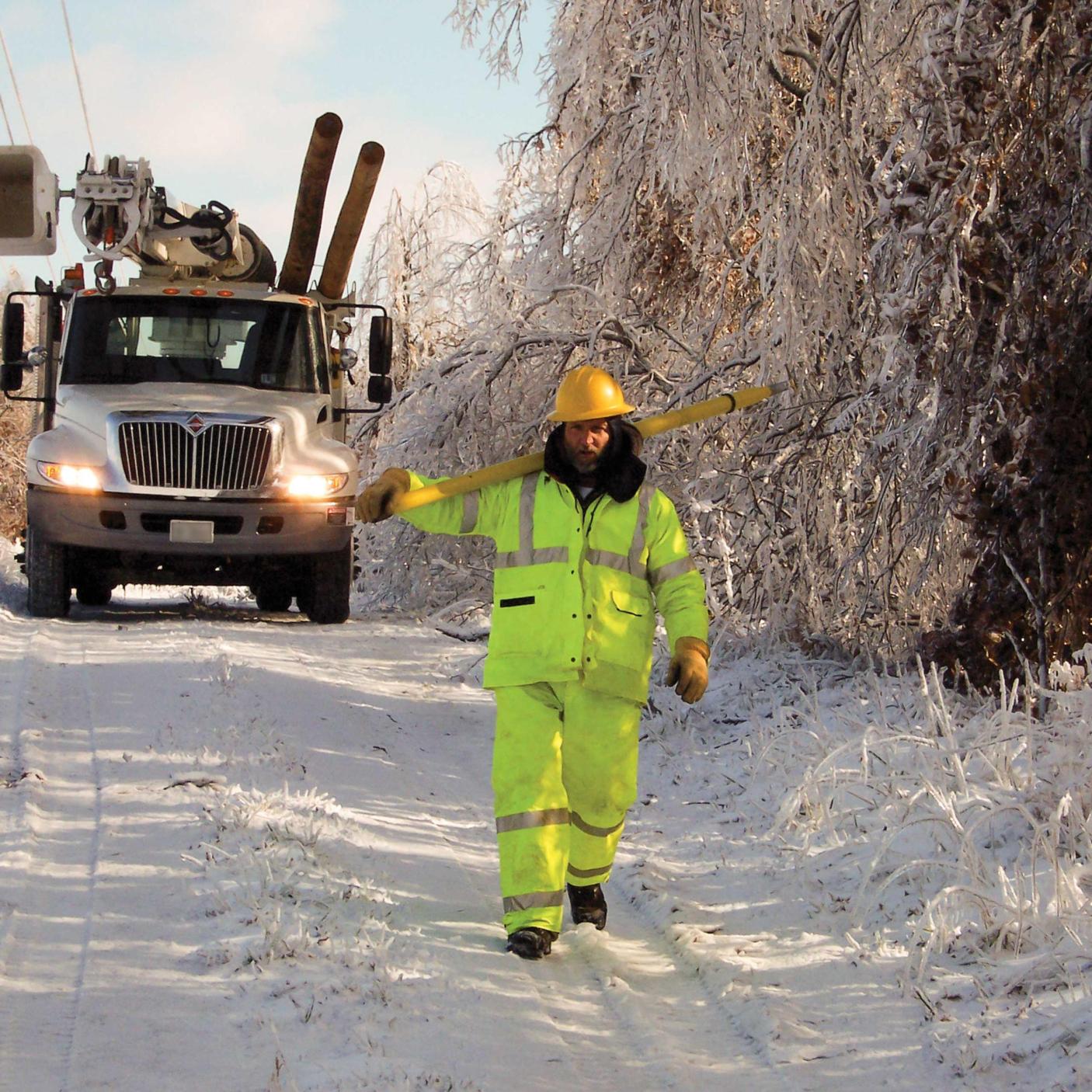
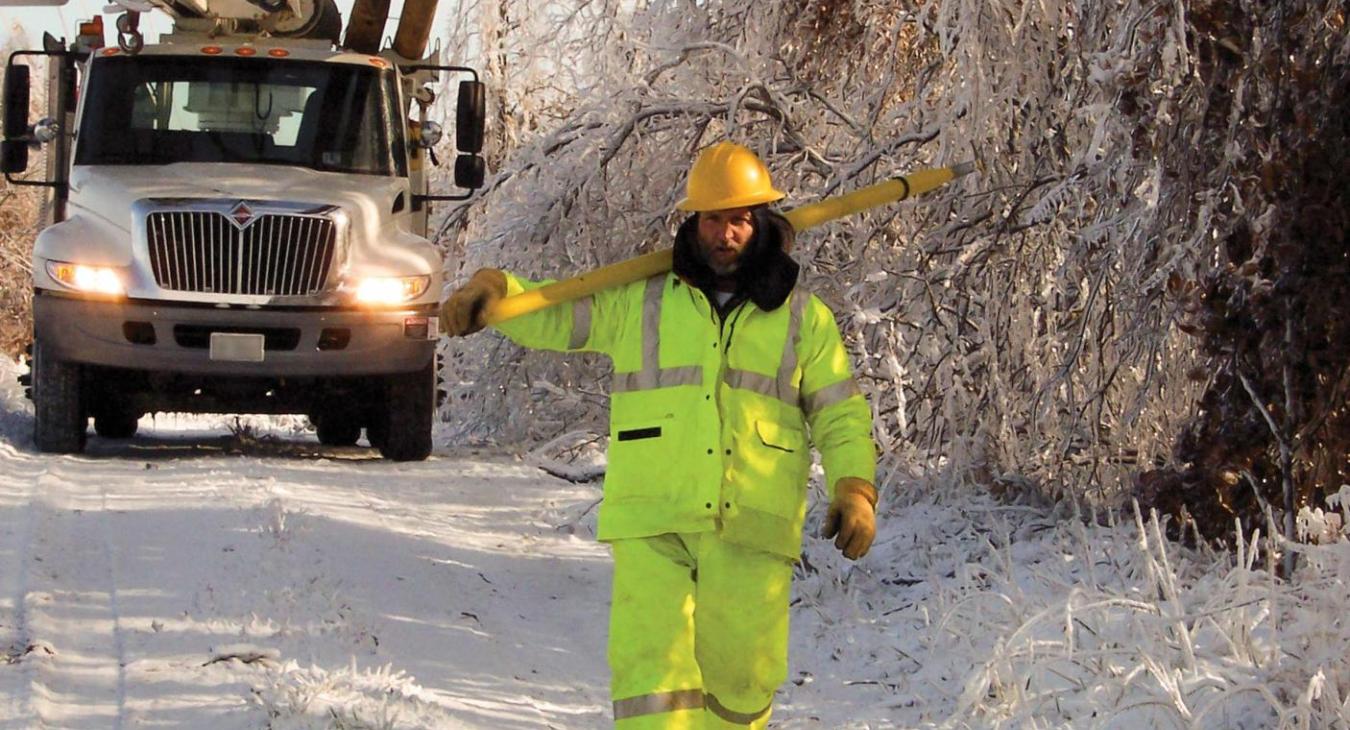
- Stay warm and dry. Dress in loose, warm layers. Wear a moisture-wicking base, an insulating mid-layer and a protective outer layer (flame-resistant/arc-rated (FR/AR-rated) if required for your work). Use warm socks and waterproof boots. Remove any wet clothing as quickly as possible.
- Protect your head and face. Use a hat, hood or hard-hat liner. When required for your job, choose FR/AR-rated liners or balaclavas. Avoid bulky hats or loose scarves.
- Keep your hands safe. Wear insulated gloves or mittens to guard against frostbite. If working with electricity, always use voltage-rated protective gloves with approved liners — never substitute regular winter gloves in place of necessary personal protective equipment (PPE).
- Fuel your body. Drink warm fluids, stay hydrated and eat high-energy foods.
- Know the warning signs. Watch for frostbite (numbness, skin color changes) and hypothermia (shivering, confusion, slurred speech).
- Be prepared on the road. Keep a winter emergency kit in your vehicle with blankets, traction aids and extra PPE.
Recognizing frostbite
Frostbite happens when skin and tissue lose circulation and freeze, commonly affecting fingers, toes, ears and nose.
Symptoms of frostbite:
- Numbness or tingling in the affected area
- Skin that turns red, white or bluish gray
- Cold, hard or waxy-looking skin
- Stiff muscles and joints
Treating frostbite:
- If possible, move indoors to a warm place.
- Warm the affected area with warm (not hot) water, or place hands under armpits.
- Avoid rubbing or massaging frostbitten skin, as this may cause further damage.
- Seek medical attention for severe frostbite or skin with blisters.
Recognizing hypothermia
Hypothermia occurs when body temperature drops dangerously low.
Symptoms of hypothermia:
- Shivering
- Confusion or slurred speech
- Drowsiness or exhaustion
- Slow, shallow breathing
Treating hypothermia:
- If possible, move indoors to a warm place.
- Call 911 immediately, especially if the person is unconscious.
- Provide warm fluids, avoiding caffeine and alcohol.
- Remove any wet clothing and warm the torso with layers of blankets or clothing.
- Wrap the body and head, leaving the face uncovered.
- If layers are not available, add body heat.
Cold weather brings unique challenges, from icy roads to freezing winds that make outdoor work even more hazardous. Lineworkers and other outdoor professionals face these risks daily to keep essential services running.
When temperatures drop, look out for one another and take steps to stay safe. Prevention matters — limit your time in the elements, wear proper protective clothing, and stay alert. Working smart in the cold helps ensure everyone makes it home safely.